

Onderzoek
Artikelen
Propagation is the most demanding stage van plant development. The growing conditions require precision and uniformity to produce consistent plants, leaving little margin for error. Whether you are engaging in seed vermeerdering or growing from cuttings, a controlled environment, such as that found in a greenhouse, is ideal. Why? Unlike outdoor growing, in a greenhouse, you can ensure that de basic factors that affect plant vermeerdering and overall growth, including temperature, water, nutrition, and light, are consistently optimized.
Broeikas Seed Propagatie: Temperature, Water, Nutrition, and Light
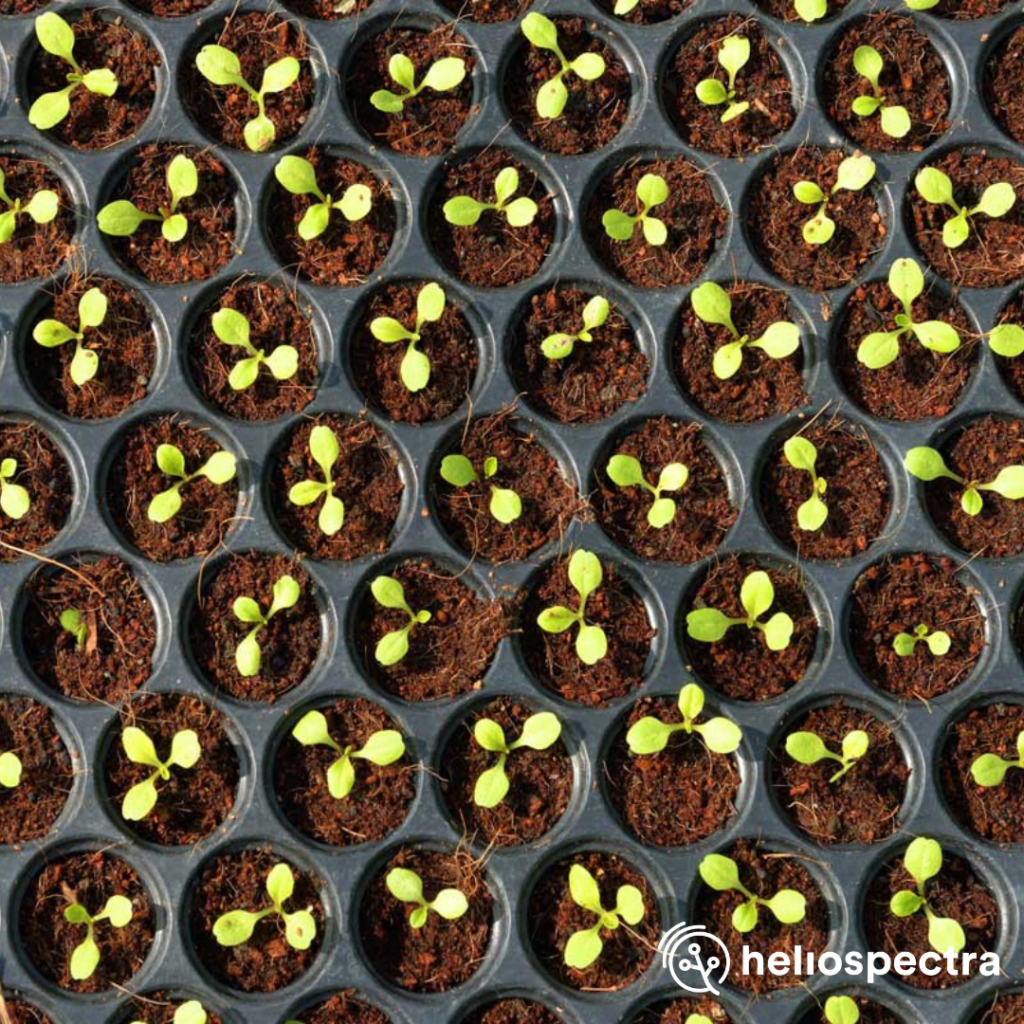
When it comes to seed vermeerdering, temperature en water management are de most important for root development, en then licht and nutrition become critical. Seed germination greatly depends on the temperature van de root media, rather than de temperature van the air. Sub-optimal media temperatures can slow germination en interrupt growth.
Optimal moisture and oxygen in the media are also necessary for germination. These rely both on the water delivery system and de quality van de water, itself. Keeping media too dry can result in poor growth en slow germination.
While seeds come met their own nutrients, in the later stages van seed vermeerdering, nutrition management is important for promoting seedling height and overall size. Lighting also takes on an essential role post-germination. While you may need to use curtains to control de natural licht in your kas during germination, the seedling stage requires uniform licht across de canopy. That is where supplemental lighting comes in, especially during conditions van low natural licht like in the winter months.
Ensuring seedlings get the recommended amount van Photosynthetically Active Radiation (PAR) each day is essential. Daily Light Integral (DLI) measures the total amount van PAR delivered to your plants in a 24-hour period, and it is described in moles van photons per square meter (mol/m2). Even de sunniest regions may not be getting enough DLI at certain times van de year, so it would need to be supplemented.
Supplemental lighting in the right intensity, over the right period, and in the right mix van wavebands, or colors, can influence seedlings and overall crop growth, from producing heartier roots to thicker stems to greater overall biomass, en more. In general, seedlings require a target minimum average DLI of 10-12 moles per day. When plants are ready for transplant and production, their DLI requirements will likely be greater, differing according to species. In fact, high-light plants, like tomaten en peppers will require a much higher DLI van 22-30 moles per day to produce quality fruit for market.
Broeikas Cuttings Propagatie: Temperature, Water, Nutrition, and Light
As met seeds, managing de environment is essential for the vermeerdering van cuttings. Providing the right media temperature will speed uprooting and proper moisture will prevent the plants from drying out. Good nutrition and sanitary practices are also key. In the early stages, low licht levels should be maintained, en shading will likely be required on bright days.
In general, cuttings require considerably less licht throughout de day than mature plants. A target DLI of 5-10 moles per day is sufficient for consistent rooting en growth. Both de natural en supplemental lighting must be uniformly distributed over your plants since cuttings sitting in bright/hot spots will dry out faster. Such drying can also be mitigated by using LED grow lichten for your supplemental lighting, rather than HPS since LEDs generate considerably less heat.
Effortlessly Maintaining the Right Lighting Conditions
Whether you are working met cuttings or seeds or finishing plants for market, it is important to onderhouden the precise DLI (duration) and licht intensity (quantity) requirements van your plants. Light quality, or the spectrum delivered to your plants, is also critical to achieving your specific crop goals.
Intelligent LEDs enable de licht spectra to be tuned to your individual crop requirements, providing the ideal licht op every stage van plant development. For example, red licht can stimulate photosynthesis, green can drive photosynthesis deep within de canopy, blue can encourage compact growth, while far-red can promote flowering.
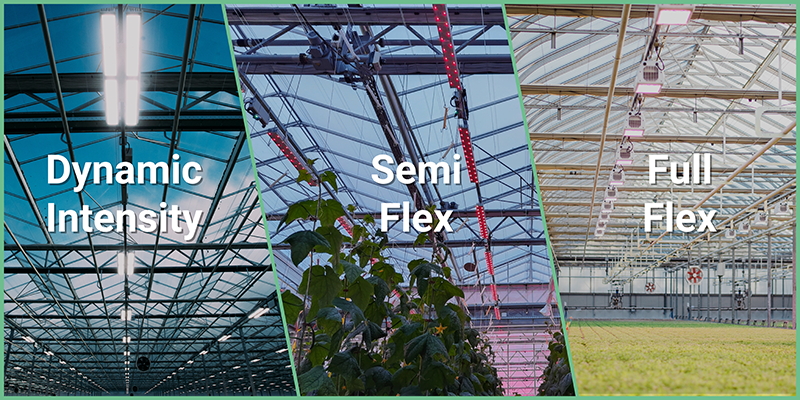
Intelligent LEDs en lighting controls technology such as helioCORE™ can help you set your lighting strategies according to production stage as well as crop type. Multiple lichten can be grouped to create licht zones met standardized schedules en settings, which can be saved in custom libraries for your staff to use. At the same time, helioCORE™ can monitor your energy consumption en utilize low-cost hours to decrease operating costs in your smart greenhouse.
Neem contact met ons op!
From custom light planning, to tailored quotes, and everything in between,
our team of horticulture experts are always ready to assist.