

Onderzoek
Artikelen
Growing Smarter and Locally
Growing and producing crops closer to consumers in a controlled environment may be the response needed to handle the strain on the food supply chain.
For as long as humans have been growing crops, increasing the fresh food supply has meant clearing more land. The world has already cleared roughly the acreage of South America to grow crops. At the same time, human migration has been steadily moving away from the land, and the distance from farm to table is ever increasing. By 2030, 60% of the population will live in urban areas. That number will be closer to 70% by 2050. How are we going to feed the world sustainably as the population continues to move away from traditional farms – and can the current supply chain hold?
If we’ve learned anything from the global pandemic, it’s that our current food supply chain is unstable. In the EU alone, lockdowns have kept laborer’s from crops, farmers have been unable to get produce to market, and consumers have had to change the way they sourced their food as a result of restaurant and independent shop closures.
Weather uncertainty and global warming have also disrupted the food supply chain. So far this year, uncommonly harsh weather has caused fruit and vegetable shortfalls across Europe, and record snowfalls have blocked some shipments from reaching countries in the north. The positive news is that Controlled Environment Agriculture (CEA) could provide the solution to food insecurity and supply chain breakdowns.
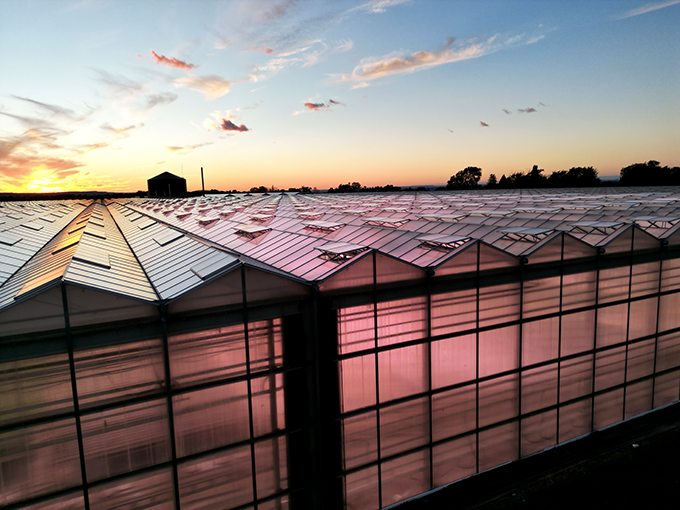
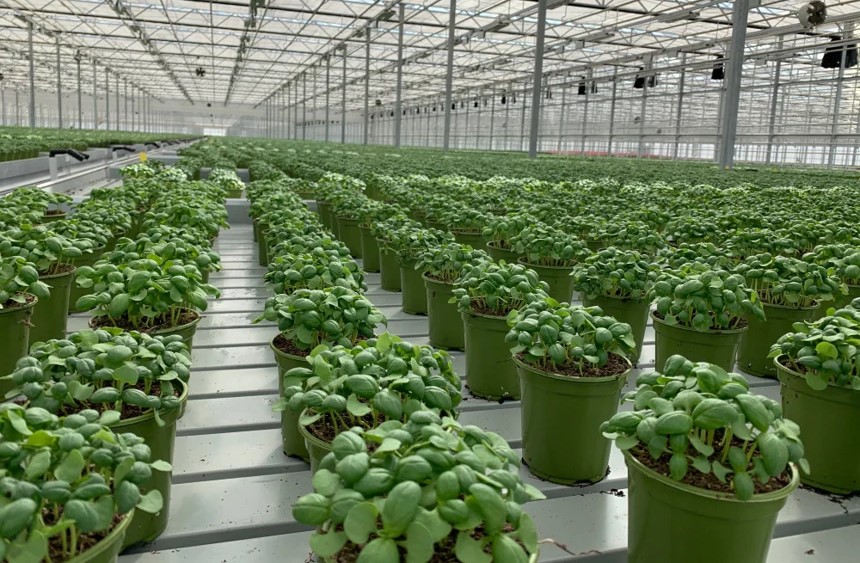
CEA includes greenhouse agriculture and indoor or vertical farming, where plants are grown inside a controlled environment. CEA farming has many benefits. We’ve listed 5 of them below to show how this type of growth can contribute to building a sustainable and resilient fresh food supply chain.
5 Benefits van Controlled Environment Agriculture
1. Farm-to-table groeiend in urban environments
Terwijl transportation channels kan zijn disrupted by events like pandemics en unpredictable weather, CEA farms met hun smaller footprints kan zijn in de buurt van of zelfs inside cities. In feit, vertical farms kan gebruik old inner-city warehouses of movable shipping containers naar produceren food als close als possible naar waarbij het zal zijn consumed. Vertical farming ook maximizes space and has been known naar produceren op one acre the equivalent of 10-20 acres worth van gewassen grown traditionally. Growing closer naar urbanized areas waarbij geïntroduceerd people live not only puts less pressure op de supply chain, but het ook means dat food moet zijn fresher en have fewer voedingsstoffen lost in transport.
2. Leveraging technologie naar kweken meer met minder
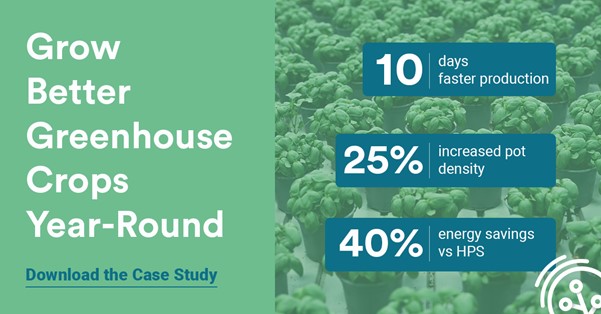
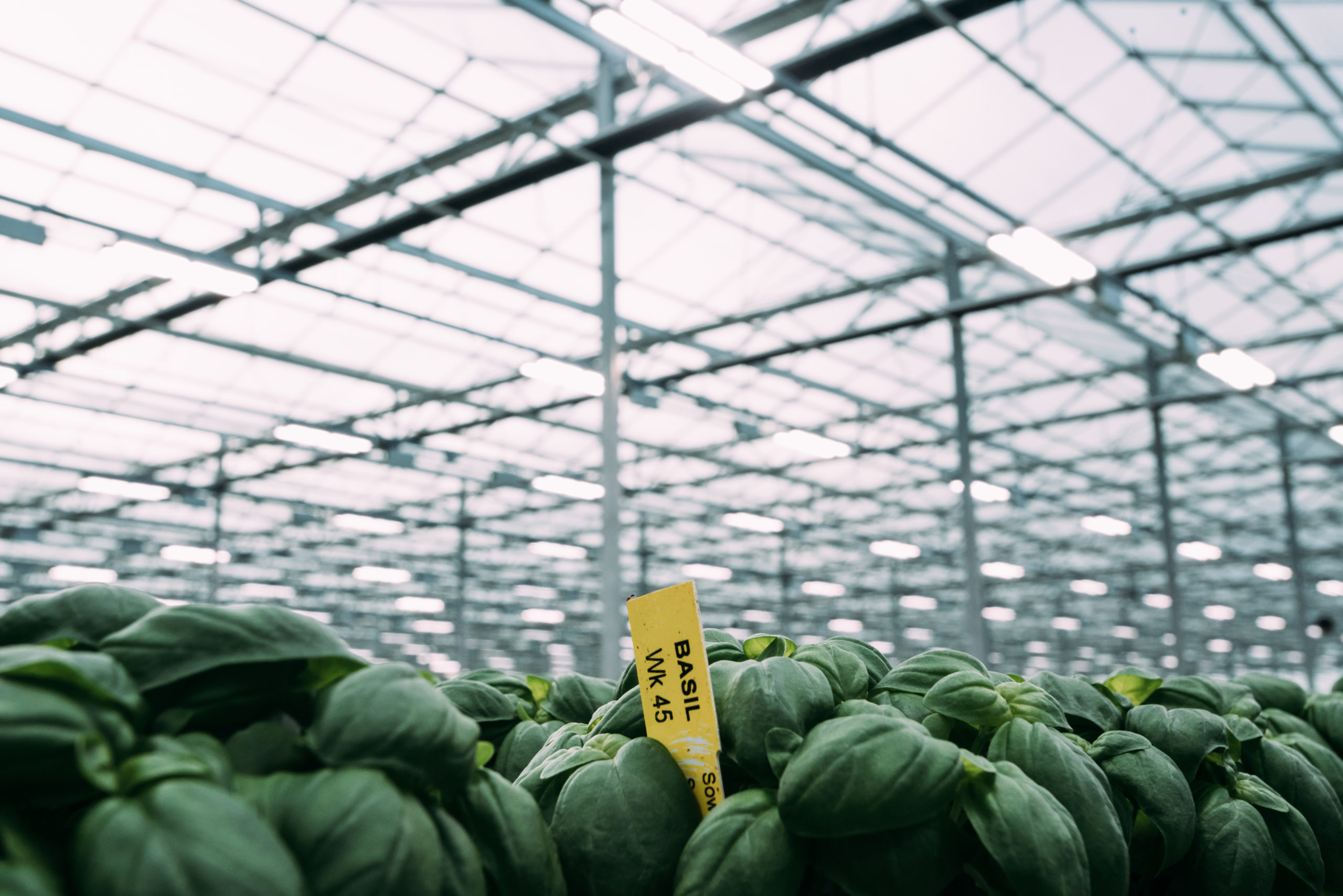
CEA is all about groeiend meer met fewer resources – less land, less water, en kleine or no soil of pesticides tweedehands. Additionally, telers kan markedly save energie resources door switching from HPS verlichting naar energiezuinig LEDs. LED kweken lichten consume up naar 40 to 50% less energy naar geven the same level van licht. Tegelijkertijd tijd, licht kwaliteit, hoeveelheid, en intensiteit kan zijn improved en gecontroleerd met intelligent LED verlichting systems. Terwijl telers can’t reduce geïntroduceerd bedrag van licht they geven naar gewassen, they kan reduce geïntroduceerd bedrag van energie vereist naar produceren dat licht. No matter geïntroduceerd groeiend omgeving or the gewas, ensuring optimal jaar-round daily light integral (DLI) is kritisch naar gewas performance. LED verlichting kan deliver this without geïntroduceerd excessive power verbruik van HPS.
3. Increasing gewas kwaliteit en levert met intelligent LED verlichting en controleert
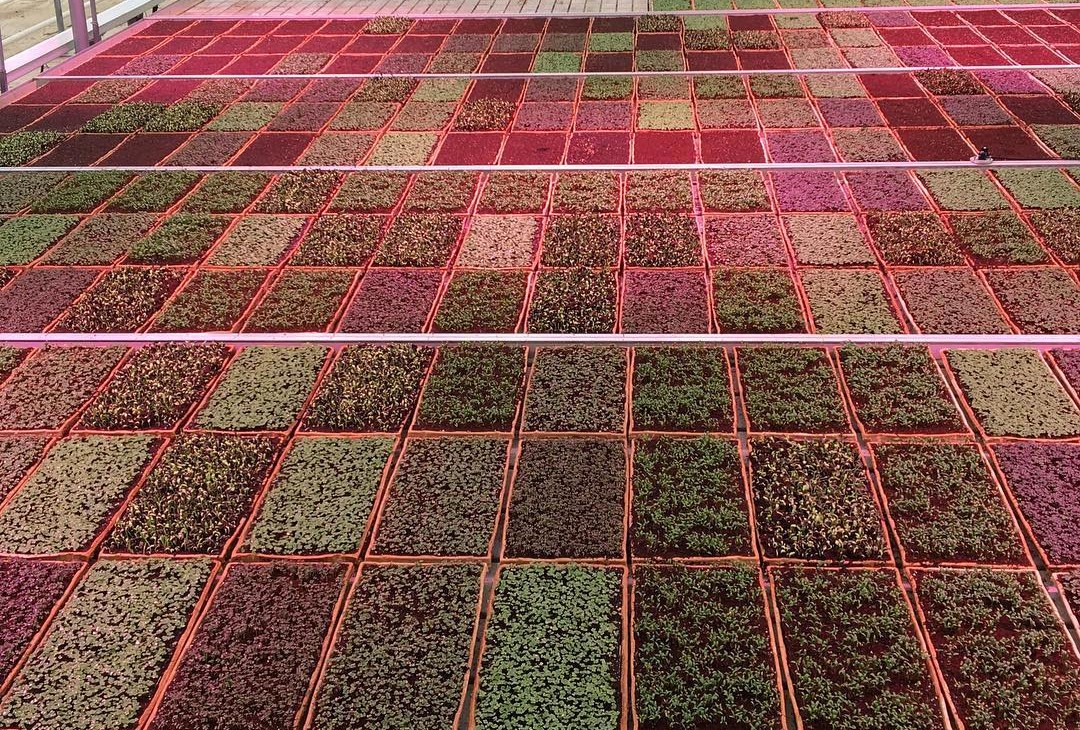
LED grow lights, sensors and controls inschakelen greenhouse and indoor farmers to verhogen jaar-round outputs and improve geïntroduceerd kwaliteit van hun planten. Deze systems continuously en automatically update licht intensiteit en spectra naar provide the optimal licht planten nodig. De results zijn hoger kwaliteit gewassen, accelerated groei cycles, en groter algemeen levert.
4. bijhouden productie cycles stable
By controlling geïntroduceerd groeiend omgeving naar keep productie cycles stable in geïntroduceerd seasons, CEA telers kan optimaliseren gewas outputs and meet markt demand alle jaar round. CEA farming continuously biedt optimal voorwaarden voor gewassen, die means food kwaliteit, hoeveelheid, en consistency zijn assured, leveren a steady source van nutritious food jaar-round.
5. Producing meer met fewer hands
Als we’ve seen met geïntroduceerd pandemic, a lack van labor is a groot contributor naar food insecurity. Rather dan requiring many workers in een field, greenhouses and vertical farms nodig hebben smaller nummers van people leveraging technologie naar produceren nutritious food. Since CEA farming is able naar produceren meer met fewer hands, it kan make the food supply chain meer resilient in uncertain keer.
Samenvatting
Covid-19 werd a groot wake-up call for all van us, en het is not over yet. In the EU wij saw 2021 dawn met supply chain interruptions en fruit en vegetable productie shortfalls. Should wij zijn concerned? To zorgen voor a stable food supply, we’re going to nodig naar move onze food productie closer naar waarbij people live, make it meer resource-efficient, less reliant op uncertain labor forces, and immune to weather en supply chain disruptions. Controlled omgeving agriculture mei be just what geïntroduceerd world needs naar feed a population dat zal zijn 35% larger by 2050.
Want to talk to learn more about LED lighting and Controlled Environment Agriculture? Laten we praten.
Neem contact met ons op!
Van lichtplanning op maat tot offertes op maat en alles daartussenin,
ons team van tuinbouwexperts staat altijd klaar om te helpen.