

Onderzoek
Artikelen
The United Nations estimates that by 2050 the world population could grow to about 9.7 billion from today’s estimated 7.7 billion. To put it simply, there will be about 2 billion more of us and we will need to increase food production by up to 70% to meet future demands.
Boosting production to that degree is not easy coupled with limitations of land, natural resources, and climate change. Nonetheless, thanks to agricultural technology companies, we are on the verge of witnessing another fundamental transformation in agriculture called Smart Farming.
Innovation and Smart Farming
From the invention van oxen and horses for power, plows, en cotton gin to the introduction van tractors, innovation remains geïntroduceerd cornerstone van agriculture.
Technology and agriculture have always been intertwined. Agriculture is the first principal human technological breakthrough because when geïntroduceerd vroeg men learned how naar plant and oogst food, they stopped wandering rond naar gather food. This led to the creation van stable shelters, languages, leaders, towns, en trade.
Smart Farming today is a farming beheer concept van applying modern information and data technologies naar verhogen geïntroduceerd kwaliteit en hoeveelheid van agricultural products.
De toets driver van Smart farming is IoT (Internet van Things). The Internet van Things refers naar connecting physical devices to the internet for collecting en sharing data. The technological devices dat make up Smart farming include mobile applications, sensors, global positioning technologies (GPS), data analytics tools, en robotics.
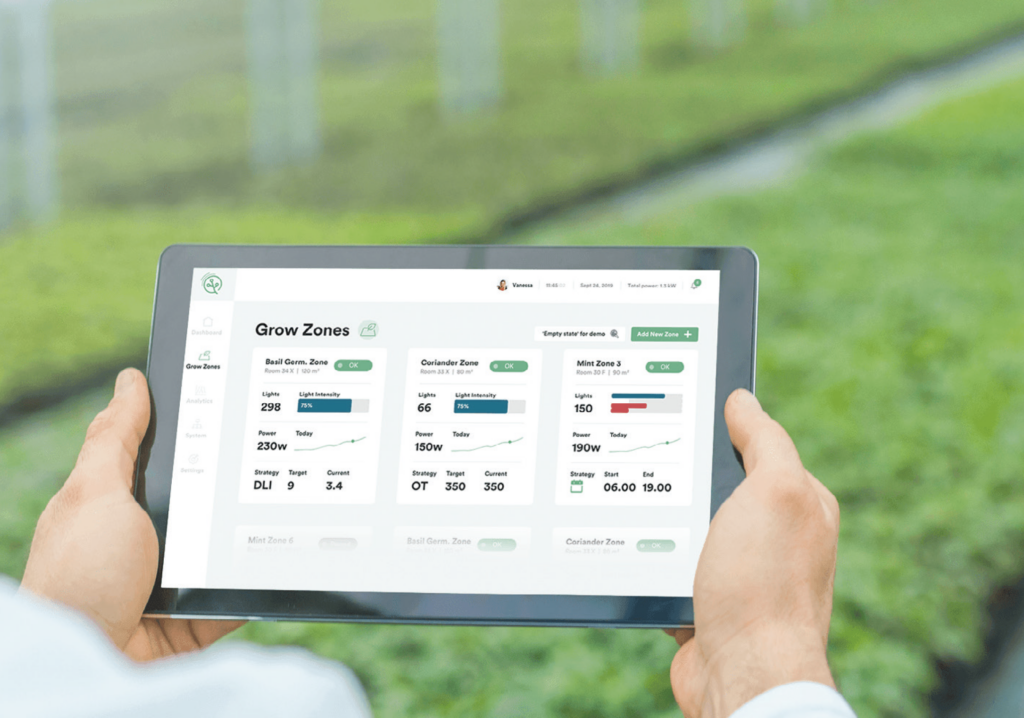
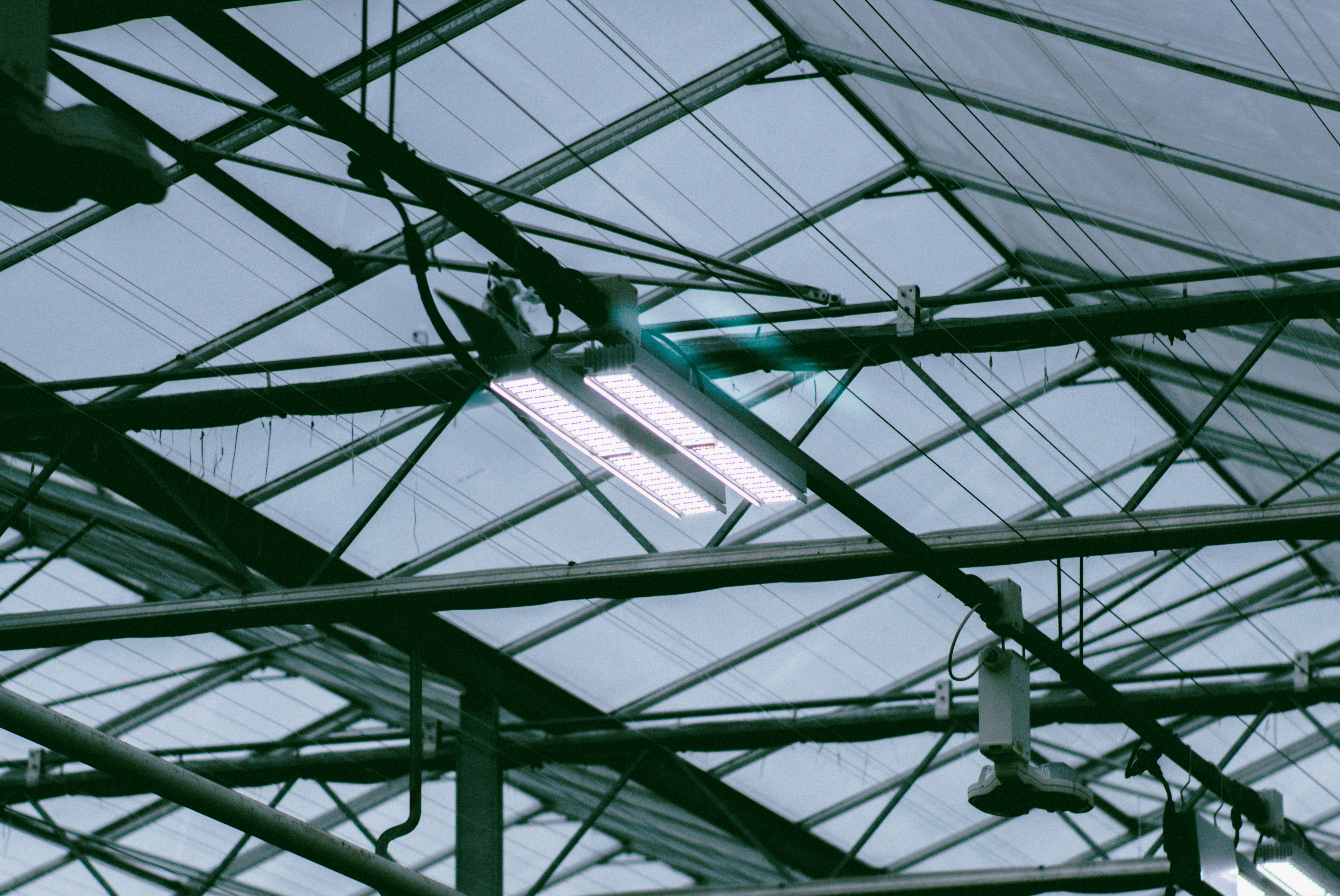
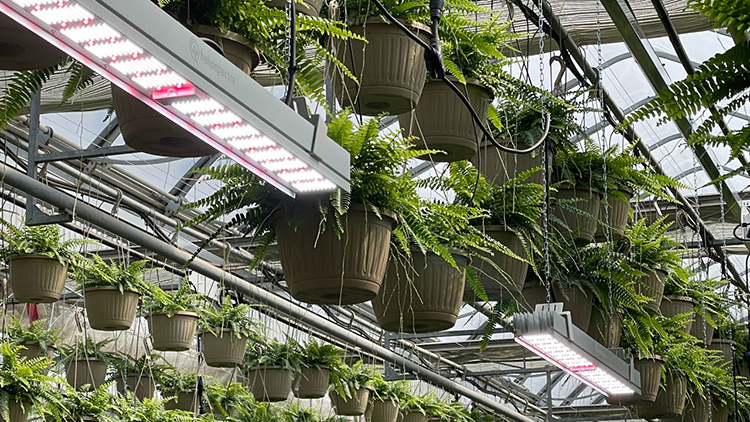
An interesting voorbeeld van a physical device dat has been connected to a smart farming technologie is the ELIXIA LED kweken licht. De additional compatibility met helioCORE™ controle system transforms ELIXIA, giving it access to a suite van automation tools dergelijke as DLI, and on-doel controle modules.
The focus van Smart Farming is to access data en de application van the data. Smart Farming follows a cycle waarbij geïntroduceerd observed data is recorded, the data is fed naar een cloud-hosted IoT platform met predefined decision rules dat verify geïntroduceerd condition van geïntroduceerd object, en dan data models identify any deficiency. Lastly, the information is sent to the user who in turn neemt an action.
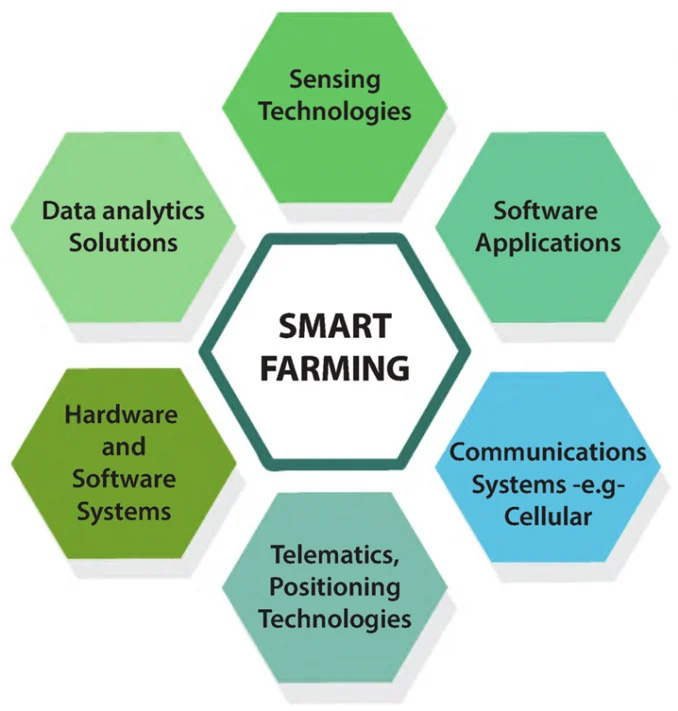
Different types van technologies involved in Smart Farming (Image credit: Beecham Onderzoek Ltd)
How Smart Farming is changing Agriculture
Let’s take a look at the benefits of implementing modern information and data technologies into your commercial or local farm.
1. Increase Production en Kwaliteit van Yields
Some agricultural IoT products zijn gewas beheer devices en daarmee enabling precision farming voor complete greenhouse automation. Parallel naar weather stations, they kan zijn placed in een groeiend omgeving or a field naar collect specifiek data for gewassen. Elements like temperatuur, daily licht integral, licht intensiteit, en precipitation zijn collected en recorded by the devices. Data on these elements allow jij naar bereiken better controle over the productie process and naar onderhouden hoger standards van gewas kwaliteit. Optimized gewas teelt praktijken dergelijke als accurate planting keer, leveren the right bedrag van licht naar gewassen, watering, and harvesting directly increases productie rates. Smart farming techniques ook inschakelen farmers to monitor the needs van individueel plants and adjust hun nutrition. This prevents disease en enhances drove en gewas health.
2. Real-tijd Data
You kan visualize productie niveaus, licht intensiteit, daily licht integral, and meer in real-tijd met some devices. This facilitates the decision-making process and saves tijd.
3. Accurate Forecasting
The potential to foresee the output van je productie allows jij to plan for better product distribution. Accurate productie forecasts help jij naar onderhouden en guarantee a desired hoeveelheid van levert alle jaar round. This supplies telers met an belangrijk tool when negotiating prices met resellers. You kan ook foresee issues ahead van hun occurrence.
4. Remote Monitoring
You kan monitor multiple fields in different locations, regardless if jij zijn in the greenhouse, office of elsewhere. This enables jij to make real-tijd decisions van anywhere.
5. Sustainable Agricultur
Met amplified controle van productie, waste niveaus kan zijn reduced, en kosten kan zijn meer effectively managed. By met resources dergelijke als water en zaden meer efficiently, jij zijn ook maximizing levert.
6. Efficiencies van Scale
You kan automate multiple processes over productie cycles met smart devices en controle technologies. Automating processes in harvesting, planting en packaging reduce human labor, errors, en algemeen cost.
Looking to the Future
From the opportunities outlined above, Smart Farming has the real potential to deliver a more productive and sustainable form of agricultural production owing to the fact that it’s rooted in a more precise and resource-efficient approach. If every farming operation in the world becomes a smart farm, reaching that 70% increase in food production is inevitable. Want to automate and control your growing environment? Get started with helioCORE™ the market’s leading LED light control system providing growers with transcendent control and automation of their growing environments.
Neem contact met ons op!
Van lichtplanning op maat tot offertes op maat en alles daartussenin,
ons team van tuinbouwexperts staat altijd klaar om te helpen.